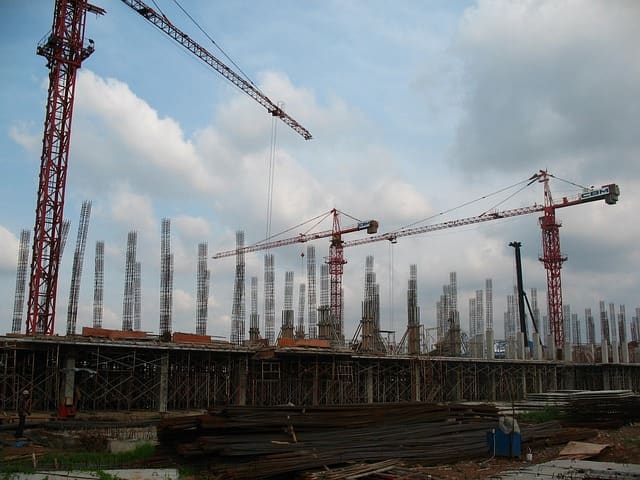
$3.2 trillion in non-oil projects across the Gulf is fueling the largest finance hiring wave the region has ever seen. Saudi Arabia and Qatar are leading the charge, transforming their economies with ambitious mega-projects that demand skilled finance professionals at an unprecedented scale.
Saudi Arabia’s Vision 2030 alone is set to create massive employment opportunities, with the kingdom estimating a need for 34,000 new finance professionals by 2027. Qatar’s third National Development Strategy (2024–2030) recently unlocked over 12,000 new roles in finance, public-private partnerships, and project management. Job seekers can browse these opportunities on the JobForSA employment site, which tags verified openings linked to Vision 2030 initiatives and other regional mega-projects.
Why Finance Roles Are Expanding Fast

The Gulf’s diversification plans are not abstract ideas. They are backed by tangible investments in urban development, infrastructure, tourism, and technology. NEOM, Saudi Arabia’s $500 billion futuristic city, requires project finance managers, analysts, and accountants to oversee large-scale construction and investment flows. Similarly, Qatar’s metro expansion and stadium projects ahead of major sporting events demand skilled finance and risk management teams to ensure timely execution and return on investment.
These roles often pay top-tier salaries, particularly for project finance managers and specialists involved in multi-billion-dollar contracts. The region’s governments are emphasizing transparent financial practices and governance standards, increasing demand for professionals experienced in auditing, compliance, and structured finance.
How JobForSA Streamlines Access
JobForSA organizes openings with intuitive filters, making it easy to locate high-demand roles under specific initiatives like Vision 2030 or Qatar National Vision projects. Candidates can quickly find positions in investment analysis, treasury management, and project finance without navigating multiple government or private portals. Verified listings reduce the risk of scams and ensure applicants are connecting with legitimate opportunities backed by government or corporate sponsors.
Sector Highlights
- Project Finance: Managers and analysts overseeing infrastructure and giga-projects, including NEOM, Riyadh Metro, and Qatar metro expansions.
- Public-Private Partnerships: Roles coordinating investments, risk assessments, and contractual agreements between governments and private entities.
- Corporate Finance: Professionals supporting budgeting, capital allocation, and investment strategies for diversified non-oil sectors.
- Audit and Compliance: Experts ensuring transparency, governance, and adherence to international financial regulations.
Geography of Opportunity
While Riyadh and Doha remain central hubs, secondary cities involved in mega-projects are also hiring. These include Jeddah, Dammam, Lusail, and Al-Khor. Job seekers willing to relocate or work on-site for project durations can access unique career growth and international exposure. The pace of hiring is such that opportunities often appear and fill quickly, emphasizing the need for timely application and readiness for interviews.
What This Means for Finance Professionals
The Gulf’s diversification strategy is creating a multi-year employment boom. Experienced finance professionals are in high demand, and competitive salaries reflect the specialized skills required. Entry-level roles are also increasing, providing pathways for young talent to grow within large-scale projects. Professionals focusing on sustainable development, digital finance, and risk management have an edge as governments integrate modern financial tools and frameworks into these projects.
JobForSA remains a key platform for connecting talent to these opportunities. With verified listings, clear role descriptions, and filtering options for major initiatives, it is easier than ever to match skills with high-demand positions in the Gulf’s evolving economy.
READ ALSO: Economics and Its Impact on having Secure Investment
For anyone looking to advance their finance career, the Gulf offers unmatched opportunities underpinned by mega-projects, ambitious visions, and strong economic incentives. From NEOM to Qatar’s metro expansion, the region is actively hiring thousands of professionals, making it the perfect moment to explore openings via the JobForSA employment site and become part of a transformative era in Gulf finance.
With projects spanning multiple sectors and billions in investment, the Gulf job market for finance professionals is likely to remain strong through 2030 and beyond. Checking the JobForSA employment site regularly ensures you don’t miss openings tied to these high-profile initiatives.
 Every day, millions of users scroll through Instagram, engaging with content that subtly influences what they buy, how they think, and even who they support politically. From viral challenges to sponsored posts, creators have become powerful cultural architects. Brands, businesses, and political campaigns now rely on influencers to drive consumer behavior and sway opinions.















 Proprietary trading firms now handle billions in daily transactions, driven by cutting-edge technology. Automated trading platforms have reshaped the financial landscape, streamlining trades and boosting profits. But what does this mean for the people behind the screens? The rise of automation is transforming job roles in finance, sparking debates about fairness, accessibility, and the future of work in this fast-paced industry.


 Government policies directly shape the transport and logistics sector, influencing access to financing and the cost of business loans. These changes affect how companies manage operations, expand fleets, and sustain growth. The transport and logistics industry is vital for economic stability in Australia, making it especially sensitive to policy shifts.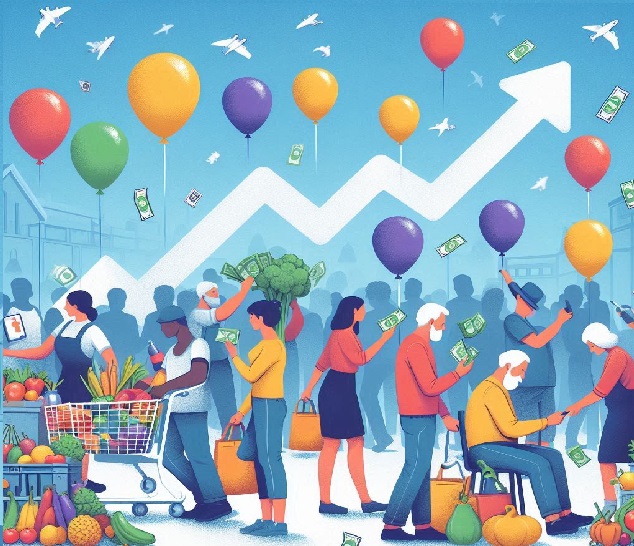
 Texas has one of the fastest-growing housing markets in the United States, with mortgage lenders playing a pivotal role in shaping its landscape. Lenders in cities like Lubbock, including prominent institutions like Herring Bank, influence not only home financing but also broader housing market policies and regulations. These institutions contribute significantly to the economic fabric of the state, ensuring accessible housing for many.
 Costa Rica has consistently been recognized as one of the most stable economies in Latin America, a fact that directly influences its flourishing real estate sector. Favorable economic policies, political stability, and a strong emphasis on sustainability have made the country a magnet for investors. The result? A booming real estate market with no signs of slowing down.
 Decentralized finance (DeFi) has emerged as a transformative force in the financial landscape. Unlike traditional financial systems, DeFi operates on blockchain technology, allowing users to engage in financial transactions without intermediaries. This shift is not just about convenience; it is reshaping economies’ global functions.
 The general cost of healthcare is largely influenced by medical malpractice insurance. Particularly in high-risk areas like surgery and obstetrics, premiums for this insurance might be somewhat hefty. Many times passed on to patients as higher medical fees, these expenses help to explain the growing expense of healthcare. Further increasing healthcare expenses is the fear of litigation, which can lead to defensive medicine practices whereby doctors order pointless tests and treatments to guard themselves from possible lawsuits.
 In recent months, global politics have heavily influenced economic trends, with one of the most notable examples being the impact of ongoing conflicts in the Middle East. Tensions in this region have historically influenced global oil prices, and the current situation is no exception. With oil prices fluctuating due to political instability, the ripple effects are being felt across global markets. Rising energy costs contribute to inflation, which has become a pressing concern for developed and emerging economies.
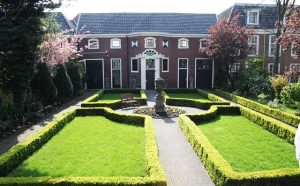 The landscaping and lawn care businesses in the U.S. have been growing steadily in recent years, as market reports indicate that between 2017 and 2022, the industry has been growing at an average rate of 5.3% on a national scale. Statista’s year 2023 report shows that the industry has generated as much as $176.5 billion in revenues. Currently, the 2024 revenue generated by the Lawn and Landscape Market has already reached US$133 billion and is still increasing.
 In the state of Georgia alone, the Landscape and Garden Market already reported interim revenues amounting to US$79.08 million. Based on that trend, it is projected that Georgia’s landscaping and gardening market will move forward from 2024 to 2028, at a growth rate of 6.52%.